
Recent typhoon disruption in China is continuing to have a significant knock-on effect on vessel schedules and port operations, with congestion and delays expected to continue over the coming weeks.
Backlogs Continue Following Typhoon Disruption
The worst of the recent typhoon conditions across eastern and southern China has now passed and ports are operating, but considerable disruption remains as terminals and shipping lines work through the backlog created by the storms.
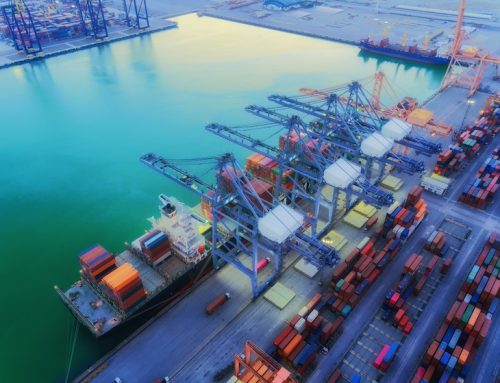
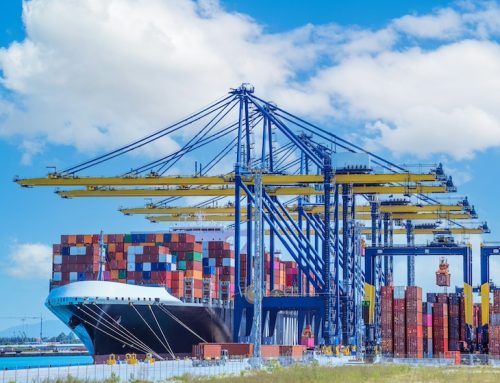
South and East China is experiencing some of the greatest pressure, particularly at Shanghai and Ningbo, where vessels are currently facing waiting times of around one to two weeks for berths. Terminal capacity is under significant strain, with external depots being used to store full containers and equipment shortages beginning to affect operations.
Heavy congestion is also affecting road transportation into the ports, making it more difficult for containers to reach terminals and adding further pressure to already stretched operations.
The delays are continuing to disrupt vessel rotations. Ships departing China behind schedule will reach subsequent ports later than planned, affecting transhipment connections and putting further pressure on schedules elsewhere in Asia. Cargo may also be rolled onto later sailings, while carriers may make additional changes to port calls and vessel rotations as they work through the backlog.
UK and European ports continue to operate relatively well, without significant congestion at present. However, vessels affected by the disruption in Asia are increasingly likely to arrive outside their original schedules.
Where individual shipments are affected, we will continue to keep customers informed.
Capacity and Fuel Costs Add to Market Pressure
Demand on the Asia-Europe trade remains high ahead of Golden Week, while carriers continue to manage available capacity through planned blank sailings.
With vessels already running behind schedule and a number of sailings withdrawn during September and around the Golden Week period, available space is expected to remain tight over the coming weeks.
Fuel costs are also continuing to put pressure on the shipping market. Oil prices have risen again this week as the US-Iran conflict has escalated and uncertainty around the Strait of Hormuz continues. Fuel-related surcharges therefore remain in place, while volatility in energy markets continues to affect wider shipping costs.
If you have any questions or concerns regarding your shipment, please don’t hesitate to contact our Customer Service Team on 01376 533039 or email [email protected].