Recent storms have caused delays to vessel departures in Asia, with arrivals at UK and European ports also affected by the knock-on effects of bad weather. Production issues in Bangladesh are also causing disruption to manufacturing and shipment schedules.
Storms Cause Further Shipping Delays
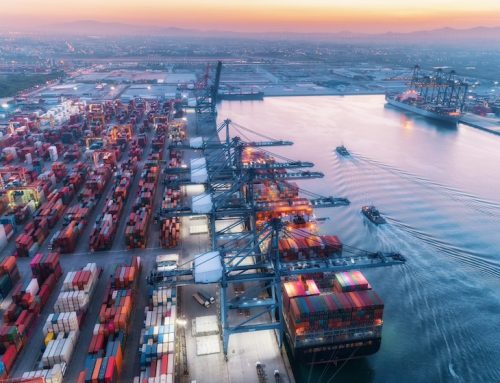
Further periods of typhoon conditions across Asia have disrupted port operations in recent weeks, with the knock-on effects continuing to affect vessel schedules. Departures from some origin ports are currently running around three to four days behind schedule as carriers work to recover lost time and bring services back into line.
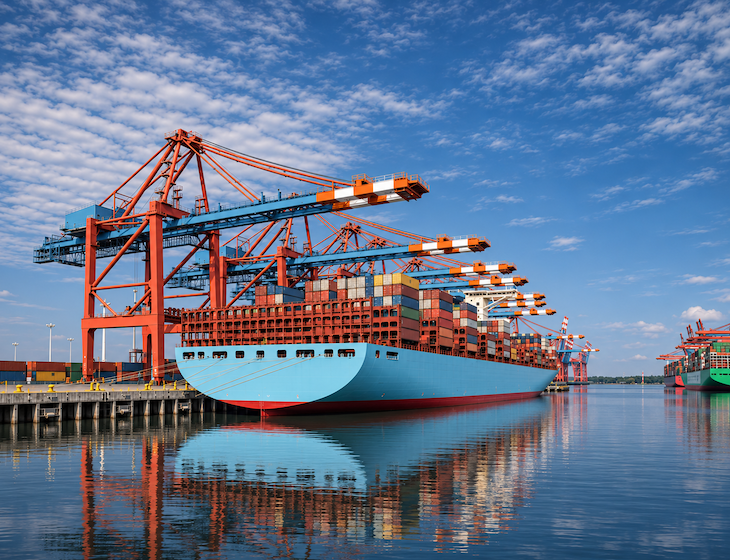
Stormy conditions across Europe and the UK towards the end of October have also delayed vessel arrivals, creating additional pressure at some ports.
London Gateway was particularly affected this week, where the disruption to vessel arrivals led to a build-up of empty containers. With fewer ships arriving to collect and reposition equipment, the port temporarily stopped accepting empty container returns, putting additional pressure on surrounding depots and causing delays for hauliers.
The situation has since improved, with London Gateway now accepting empty containers again and delays are easing as operations return to normal.
Production Disruption in Bangladesh
Industrial action and widespread protests over demands for higher minimum wages have caused significant disruption to Bangladesh’s garment manufacturing sector in recent days, leading to the temporary closure of hundreds of factories.
At the same time, reduced gas supplies are adding further pressure on production. Planned maintenance at a major liquefied natural gas terminal this week has restricted availability across the country, affecting energy-intensive manufacturing processes such as dyeing, washing and finishing.
The combination of factory closures and reduced gas availability is affecting production and delaying cargo readiness for shipment. This may affect planned collection dates and shipping schedules, with further disruption possible if the industrial unrest continues.
Suez Canal Routings Remain Under Review
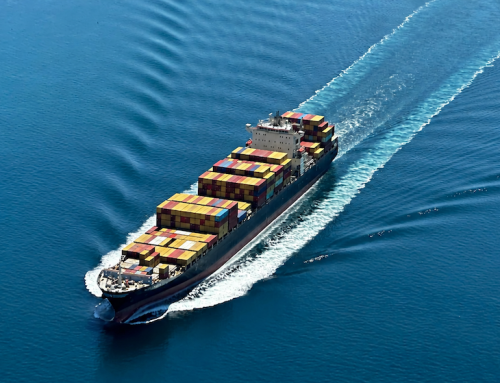
Shipping lines are continuing to operate services via both the Suez Canal and the Cape of Good Hope, with another carrier announcing plans to reintroduce selected sailings through the shorter Red Sea route.
However, the security situation in the region remains volatile, with the ongoing threat of attacks on commercial vessels. Any deterioration in security could quickly prompt carriers to reverse their decisions and return to the longer Cape of Good Hope route.
For now, the industry continues to take a cautious approach, with further developments being closely monitored.
Oil Prices Fall After Months of Increases
After months of sustained pressure on global oil markets, prices have fallen this week. While this is a positive development, it is too early to know whether the decline will continue.
If prices continue to drop, this could eventually lead to lower vessel fuel costs and a reduction in the fuel-related surcharges affecting shipping and inland transportation. However, any benefit will take time to feed through into transportation costs and surcharge reviews.
Existing fuel surcharges therefore remain in place, while oil markets remain sensitive to developments in the Middle East, meaning further price fluctuations are possible.
If you have any questions or concerns regarding your shipment, please don’t hesitate to contact our Customer Service Team on 01376 533039 or email [email protected].